
Choosing an exterior material in a cold climate isn’t just about finding the right color or style. Snow, moisture, freezing temperatures, and repeated freeze-thaw cycles can all put exterior materials to the test.
The best natural stone veneer for cold climates is a durable stone that can withstand repeated freezing and thawing. Granite and many types of limestone and quartzitic stone can be excellent options, but choosing the right stone is only part of the equation. Proper installation and moisture management also play an important role in long-term performance.
For homeowners, architects, designers, and contractors in Minnesota and throughout the Upper Midwest, understanding these factors can help you select a natural stone veneer that looks beautiful and is suited for a northern climate.
What Makes Natural Stone Veneer Good for Cold Climates?
Natural stone has been used on buildings in cold climates for generations, but different types of stone have different physical characteristics.
When choosing natural stone veneer for a cold climate, there are several important factors to consider.
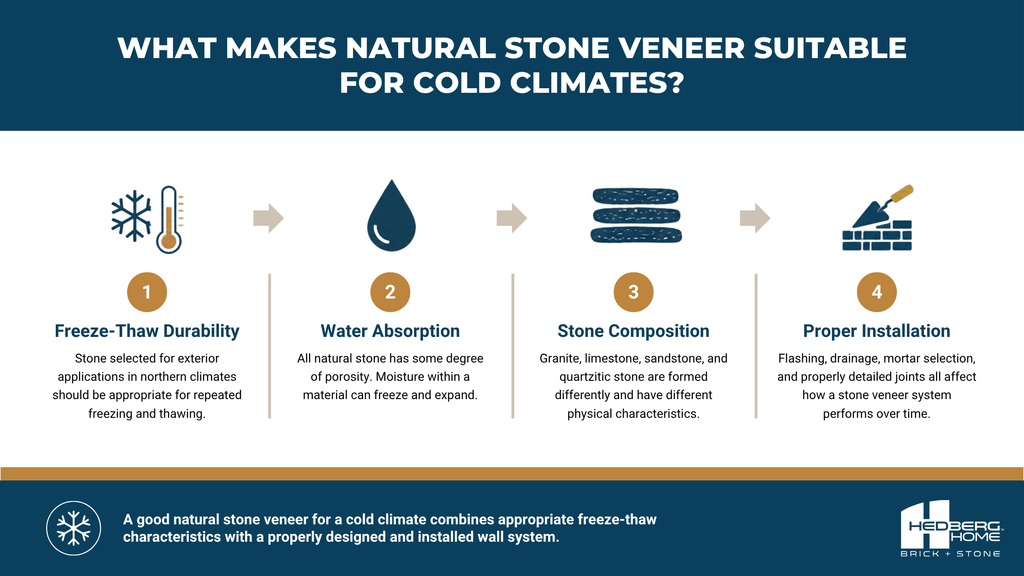
Freeze-Thaw Durability
Freeze-thaw cycles occur when moisture enters a material, freezes as temperatures drop, thaws when temperatures rise, and then repeats the process.
Stone selected for exterior applications in northern climates should be appropriate for repeated exposure to these conditions.
Water Absorption
All natural stone has some degree of porosity, but the amount of water it absorbs varies by stone.
In a cold climate, absorption is particularly important because moisture within a material can freeze and expand. Selecting an appropriate stone and properly managing moisture within the wall system can help support long-term performance.
Stone Density and Composition
Granite, limestone, sandstone, and quartzitic stone are formed differently and have different physical characteristics.
Rather than choosing stone based on appearance alone, consider the specific stone, its intended application, and the environment where it will be installed.
Proper Installation
Even a highly durable natural stone needs to be installed correctly.
Flashing, drainage, mortar selection, properly detailed joints, and other moisture-management practices can all affect how a stone veneer system performs over time.
In short: A good natural stone veneer for a cold climate combines appropriate freeze-thaw characteristics with a properly designed and installed wall system.
Best Types of Natural Stone Veneer for Cold Climates
There isn’t one natural stone that is best for every project. The right choice depends on the application, exposure, architectural style, and characteristics of the individual stone.
However, several types of natural stone are commonly considered for exterior applications in cold climates.
| Stone Type | Cold-Climate Consideration | Appearance |
|---|---|---|
| Granite | Dense and durable | Varied, natural texture |
| Dolomitic Limestone | Many regional options suited to northern applications | Ledgestone to dimensional |
| Quartzitic Stone | Durable options for exterior applications | Textured, often linear |
Granite
Granite is known for its density, strength, and durability, making it a natural stone worth considering for demanding exterior applications.
It can also provide a very different aesthetic depending on how it is cut and finished, ranging from traditional cobble-inspired designs to more contemporary applications.
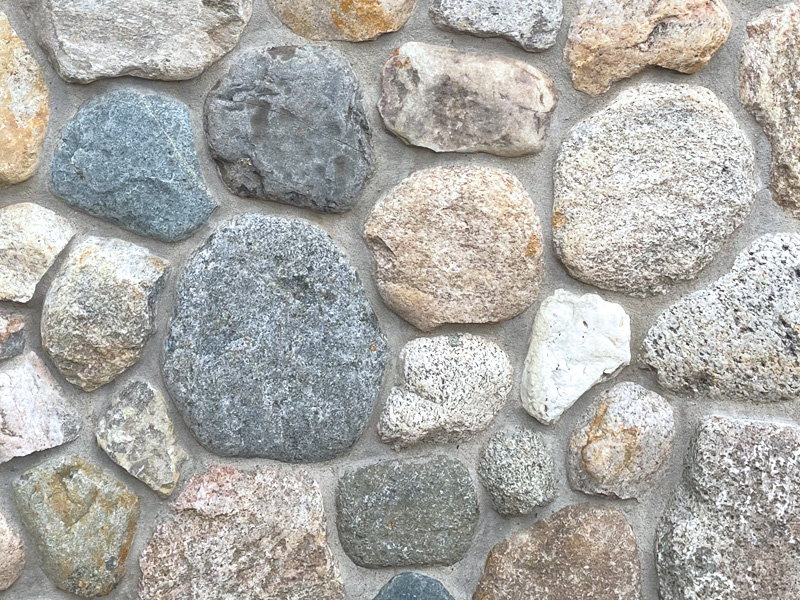
For example, Hedberg Home’s Granite Cobble Natural Stone Veneer is a Midwest-sourced granite available in both thin and full veneer.
Dolomitic Limestone
Limestone has a long history in Upper Midwest architecture, and many regional natural stone veneers are produced from dolomitic limestone quarried in Minnesota and Wisconsin.
The material can provide everything from clean, dimensional lines to irregular ledgestone profiles, making it versatile for both traditional and contemporary architecture.
Hedberg Home carries several dolomitic limestone options, including:
- Chilton Ledgestone, a Wisconsin stone featuring a natural ledgestone profile.
- Fond du Lac Ledgestone, another Wisconsin dolomitic limestone available in thin and full veneer.
- Prairie Blend, a Minnesota-origin dolomitic limestone.
- Lannon Grey Stakledge, a Wisconsin limestone featuring grey and neutral tones.
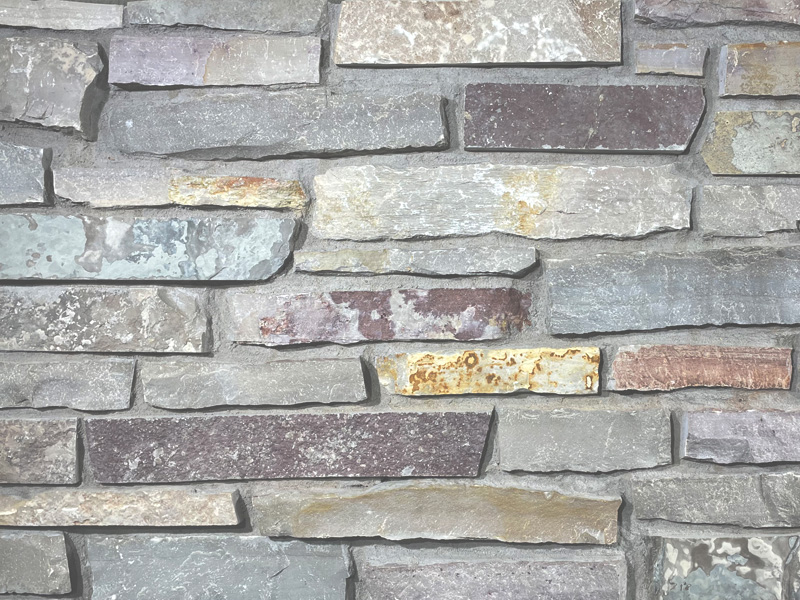
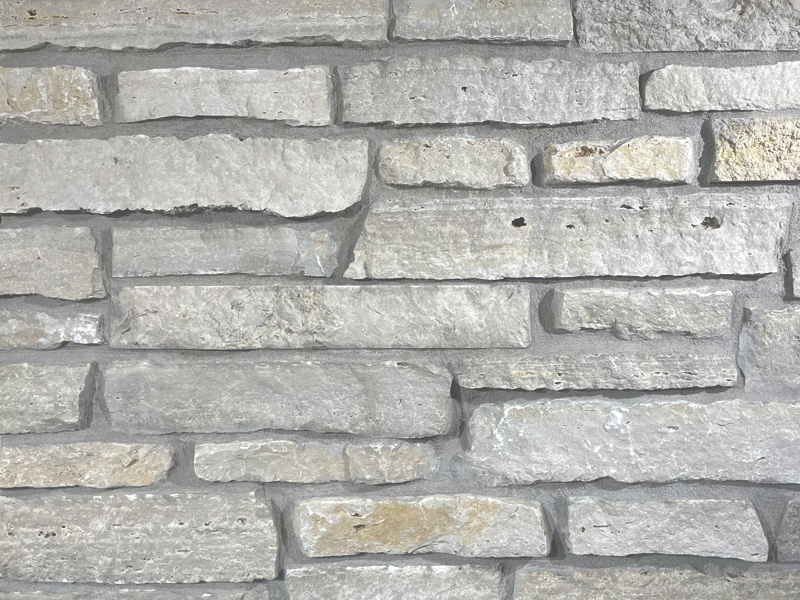
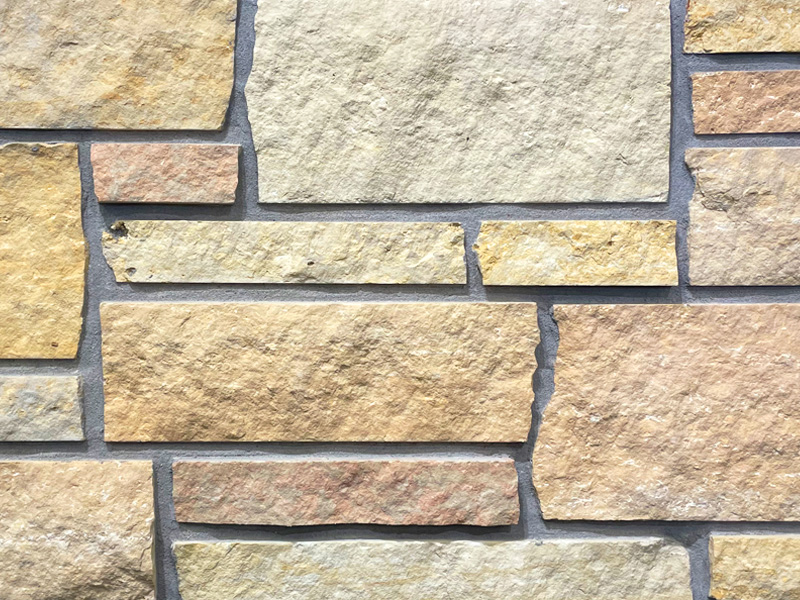
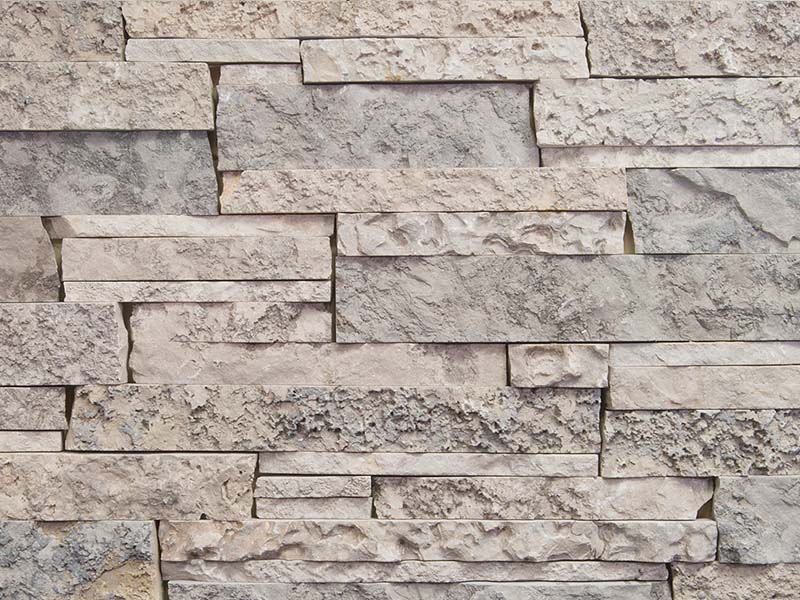
Because individual limestone products can have different characteristics, the specific stone and intended application should always be considered when selecting veneer for exterior use.
Quartzite and Quartzitic Stone
Quartzite is a dense, durable natural stone that can be well suited to exterior applications in cold climates. Its generally low porosity can help reduce moisture absorption, an important consideration in environments that experience repeated freeze-thaw cycles.
However, performance can vary by specific stone and installation method. Products described as quartzitic sandstone or quartzitic sedimentary stone may have different physical properties from highly metamorphosed quartzite. For cold-weather exterior applications, the specifications and installation recommendations for the individual product should always be considered.
Thin Veneer vs. Full Veneer in Cold Climates
One common question is whether thin natural stone veneer can be used in cold climates.
Yes, thin natural stone veneer can be suitable for cold climates when the stone is appropriate for exterior use and the wall assembly and installation are designed correctly.
The primary difference between thin and full veneer is not necessarily cold-weather performance. It is the thickness, weight, and installation requirements of the material.
Thin natural stone veneer is cut to reduce its weight, typically making it easier to incorporate into a wider range of projects without the structural requirements associated with traditional full-bed masonry.
Full veneer is thicker and heavier and is typically incorporated into a masonry system designed to support its additional weight.
Both can be appropriate for Minnesota homes and commercial projects. The best option depends on the building, application, design goals, and construction requirements.
Why Installation Matters in Freeze-Thaw Climates
Choosing the right stone is important, but the performance of an exterior stone veneer also depends heavily on what happens behind it.
In cold climates, moisture management is particularly important.
Water needs a way to drain from the wall assembly rather than becoming trapped behind the veneer. Appropriate flashing, drainage, mortar, wall preparation, and installation details help manage moisture and protect the overall system.
This is why stone selection and installation should be considered together.
For cold-climate applications, moisture management is just as important as stone selection. Water that enters a wall system and repeatedly freezes and thaws can contribute to deterioration, making proper drainage and installation critical to long-term performance.
How to Choose Natural Stone Veneer for a Minnesota Home
With hundreds of natural stone veneer options available, narrowing down the choices can feel overwhelming.

Start by considering the practical requirements of your project:
- Is the stone being installed indoors or outdoors?
- How exposed will the area be to snow, rain, and moisture?
- Are you using thin or full veneer?
- What type of wall assembly is being used?
- What colors and textures complement the rest of the home?
- Does the architecture call for ledgestone, ashlar, dimensional, fieldstone, or another profile?
From there, you can compare stones that meet both the project’s performance requirements and its design goals.
Natural stone also varies from piece to piece. Viewing physical samples can help you understand the range of color, texture, veining, and other natural characteristics that may appear in the finished installation.
Hedberg Home Brick + Stone offers an extensive selection of natural stone veneer in different stone types, colors, textures, and profiles for both interior and exterior applications.
Natural Stone Veneer for Cold Climates: FAQs
What is the best natural stone veneer for cold climates?
Dense, durable natural stones with appropriate freeze-thaw characteristics are generally good candidates for cold climates. Granite and certain limestones and quartzitic stones can perform well, but the best choice depends on the specific stone, application, exposure, and installation system.
Can natural stone veneer withstand freezing temperatures?
Yes. Natural stone veneer can be used successfully in cold climates when the selected stone is appropriate for freeze-thaw exposure and the veneer is installed with proper moisture management.
Is thin stone veneer suitable for Minnesota winters?
Yes. Thin natural stone veneer can be used for exterior applications in Minnesota when the selected stone and installation system are appropriate for the climate and application.
Does natural stone veneer absorb water?
Natural stone has varying levels of porosity and water absorption depending on the type of stone. Because absorbed moisture can contribute to freeze-thaw stresses, the characteristics of the specific stone should be considered when selecting material for an exterior application.
Is natural stone or manufactured stone better for cold climates?
Both natural and manufactured stone veneer can be appropriate for cold climates when properly specified and installed. Natural stone offers the authentic color, texture, and variation of quarried material, while manufactured veneer products have their own performance specifications and installation requirements.
Find Natural Stone Veneer for Your Minnesota Project
Natural stone can bring texture, character, and lasting appeal to a home’s exterior, but in a northern climate, selecting the right material requires more than choosing a favorite color.
Consider the stone’s characteristics, where it will be installed, its exposure to moisture, and the complete installation system when making your selection.
Hedberg Home Brick + Stone offers a wide selection of natural stone veneer for exterior facades, fireplaces, outdoor living spaces, and other architectural applications. Explore our natural stone veneer collection online or visit our Plymouth showroom to compare stone colors, textures, and profiles in person.
