
Natural stone brings depth, texture, and permanence that few materials can match, and it can be used almost anywhere in a home, from a curved archway to a stair tread to a fireplace surround. This guide covers five of the most impactful applications — interior arches, stairways, wine cellars, accent walls, and fireplaces — and which stone, finish, and design approach works best for each.
Quick Reference: Which Stone for Which Space
| Space | Recommended Stone | Best Finish | Why It Works |
|---|---|---|---|
| Interior Arches | Limestone, light sandstone | Honed, or split-face for contrast | Honed keeps sightlines smooth between rooms; split-face adds shadow that follows the curve |
| Stairways | Granite or quartzite (treads); travertine (cladding) | Leathered or brushed | Granite and quartzite rank roughly 6–7 on the Mohs hardness scale, holding up to daily foot traffic; textured finishes improve slip resistance |
| Wine Cellars | Fieldstone, ledgestone, rough-cut limestone, honed marble, or slate | Rustic split-face or honed | Stone’s density gives it thermal mass, which helps buffer temperature swings; softer stones are fine here since traffic is low |
| Accent Walls | Stacked stone panels, or large-format slabs | Natural cleft or polished | Panels add texture at a small scale; slabs read as seamless and modern |
| Fireplaces | Limestone, granite, or quartzite | Full-height textured, or sleek linear slab | Dense, heat-tolerant stones hold up close to a firebox and anchor the room visually |



Interior Arches
What’s the best stone for a curved interior archway? Limestone and light-toned sandstone are the top choices. Their fine, even grain keeps the transition between rooms feeling smooth rather than busy.
Interior arches offer a natural opportunity to introduce texture and depth without overwhelming a space. Cladding an archway in natural stone creates a soft architectural moment that feels both timeless and elevated.
For a refined look, a honed finish on limestone or sandstone maintains a smooth transition between rooms. If you’re aiming for more contrast, split-face stone adds subtle shadowing that highlights the curve of the arch.
Honed limestone or sandstone gives you the smoothest, most understated transition. Split-face stone brings more shadow and texture, and works well when the arch is meant to stand on its own as a focal point.
Design tip: Keep grout lines tight and consistent to preserve the elegance of the arch form. This matters most in transitional spaces where flow between rooms is the priority.
Stairways
What’s the most durable natural stone for stair treads? Granite and quartzite are the strongest options. Both rank roughly 6 to 7 on the Mohs hardness scale, which is hard enough to resist the daily wear of foot traffic without chipping or dulling.
Stairways are often overlooked as a design feature, but natural stone can turn them into a focal point. Stone treads, risers, or adjacent accent walls bring weight and permanence to the vertical movement of a home.
Softer stones like travertine can still work beautifully here. Just reserve them for lower-traffic applications, like cladding along the stair wall, rather than the treads themselves.
Is natural stone slippery on stairs? It can be, depending on the finish. A polished finish looks refined but is the least slip-resistant option for a stair tread. A leathered or brushed finish provides traction without sacrificing aesthetics, and is generally the better choice anywhere slip resistance matters (a principle borrowed from the ANSI A137.1 standard, which sets minimum wet-surface friction benchmarks for walkway tile).
Design tip: Prioritize finish over stone type when slip resistance is a concern. A leathered granite tread will outperform a polished one, even though it’s the same material.
Wine Cellars
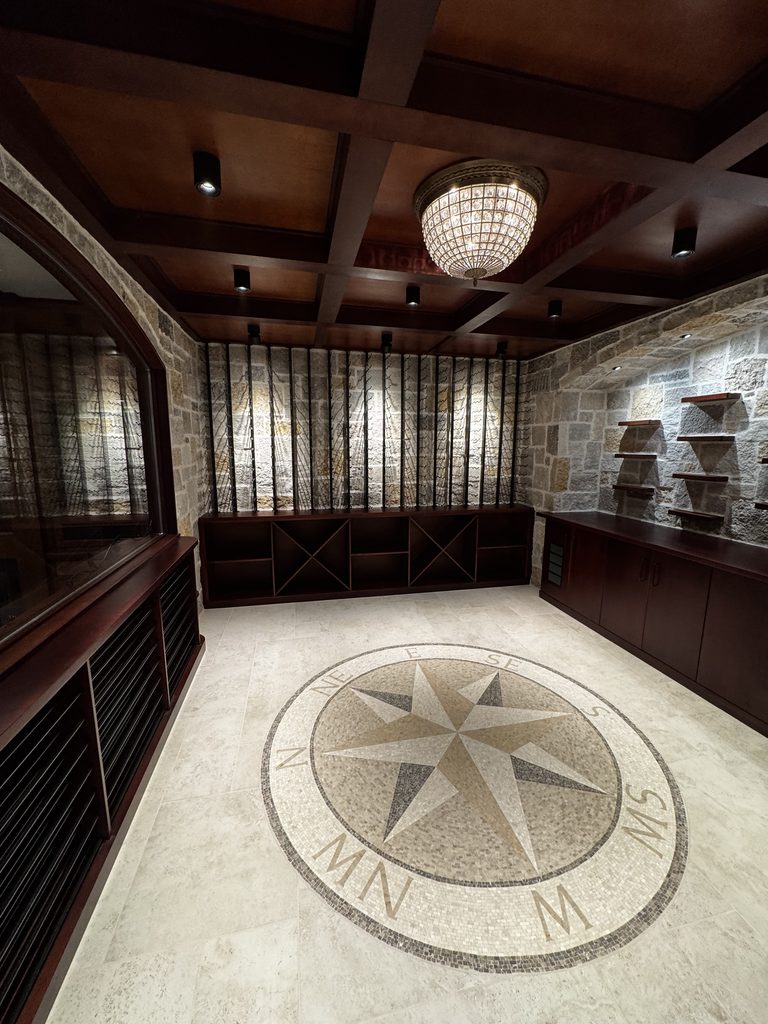
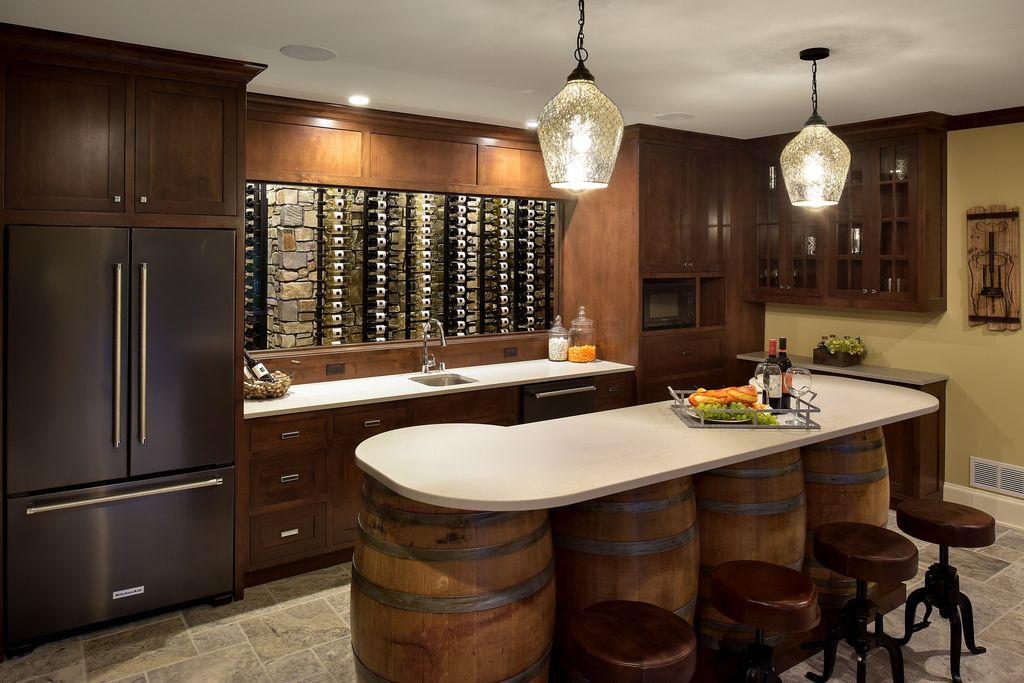
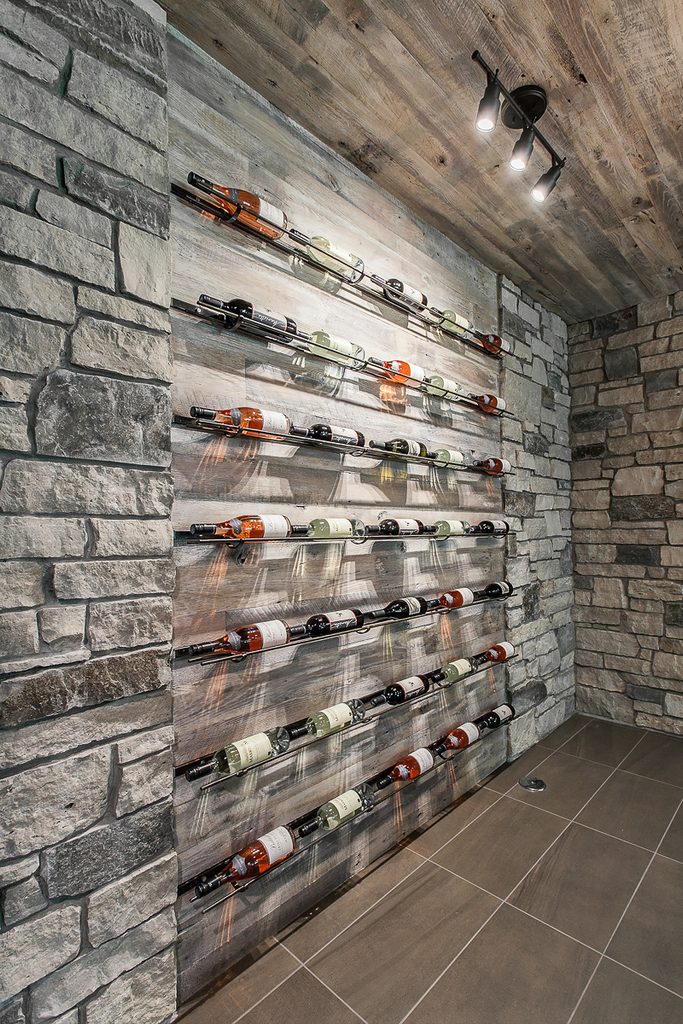
Does natural stone help regulate temperature in a wine cellar? Yes, to a degree. Stone’s density gives it thermal mass, which helps buffer the space against quick temperature swings and reinforces the stable environment wine storage benefits from. It’s a complement to proper insulation and climate control, not a replacement for them.
Natural stone and wine cellars are a timeless pairing. Stone also reinforces the grounded, Old World aesthetic many homeowners want in a cellar space.
Fieldstone, ledgestone, or rough-cut limestone create a rustic, Old World character, while honed marble or slate lean more modern and curated.
Because foot traffic in a wine cellar is minimal, softer, more porous stones are a practical option here in a way they wouldn’t be on a stairway. Stone can be used on walls, flooring, or even as part of custom racking backdrops.
Design tip: Pair stone with warm lighting to bring out its natural variation and create depth within the space.
Accent Walls
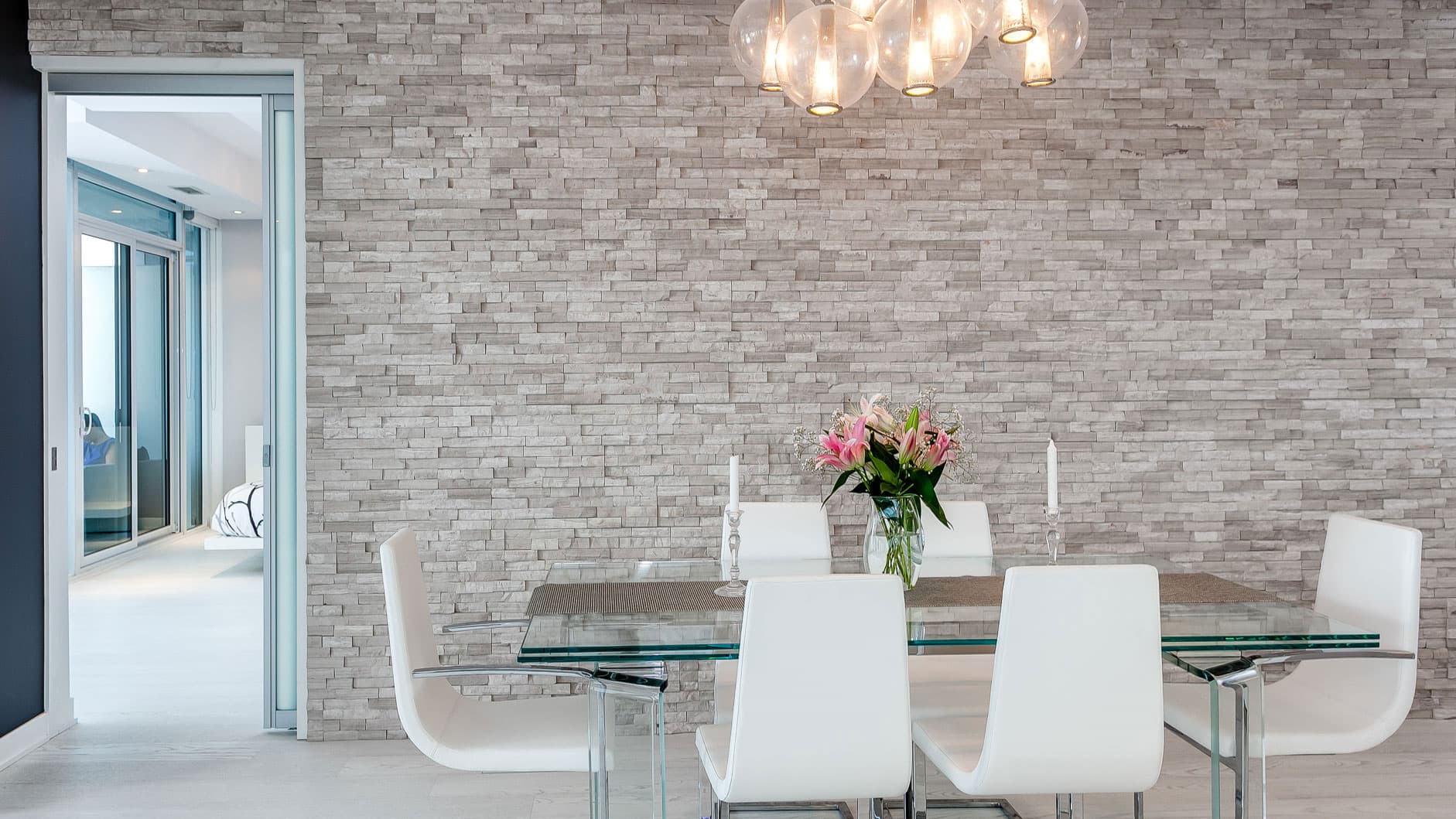
What’s the difference between stacked stone panels and stone slabs for an accent wall? Stacked stone panels are smaller-format pieces that create visible texture and shadow lines. Large-format slabs are cut in bigger sections for a seamless, more contemporary look. Panels tend to read as more traditional or rustic; slabs read as modern.
Accent walls are one of the most impactful ways to use natural stone indoors. Whether in a living room, entryway, or bedroom, stone instantly adds dimension and visual interest.
Color selection plays a major role. Neutral palettes feel calming, while darker tones create drama and contrast.
Design tip: Let the stone lead. Keep surrounding materials simple so the texture and variation remain the focal point.
Fireplaces
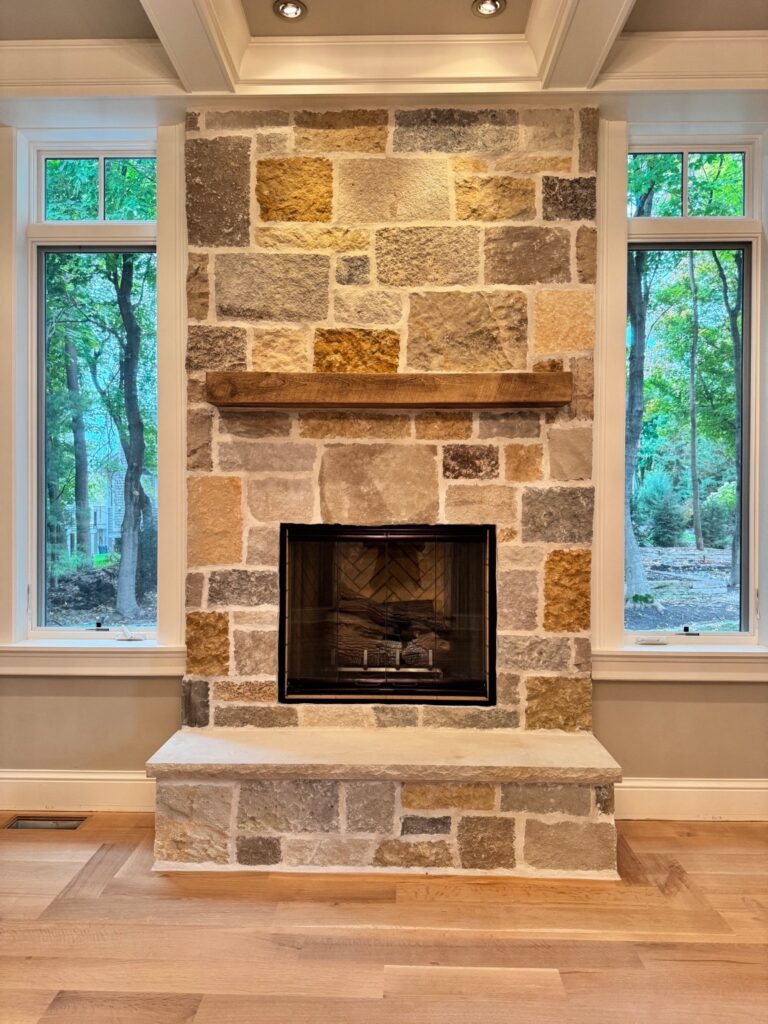
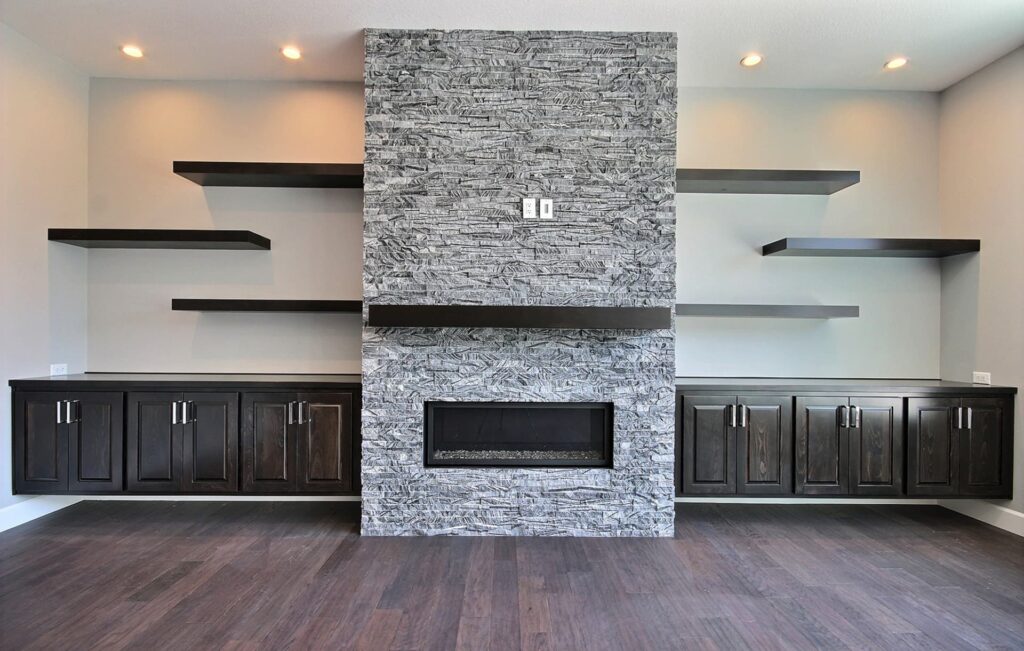
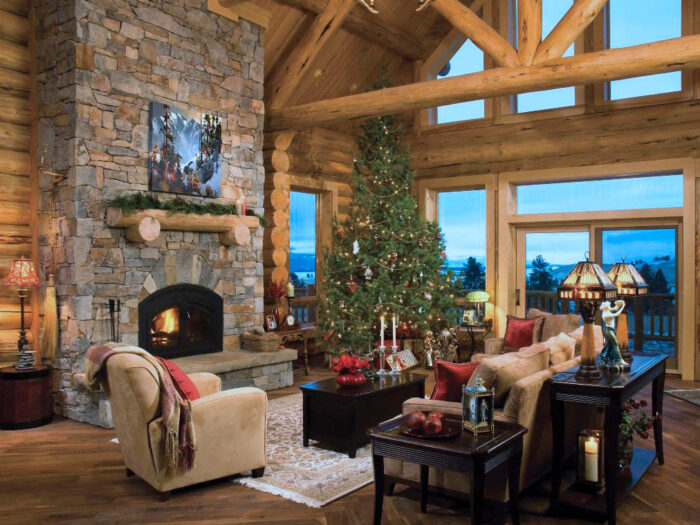
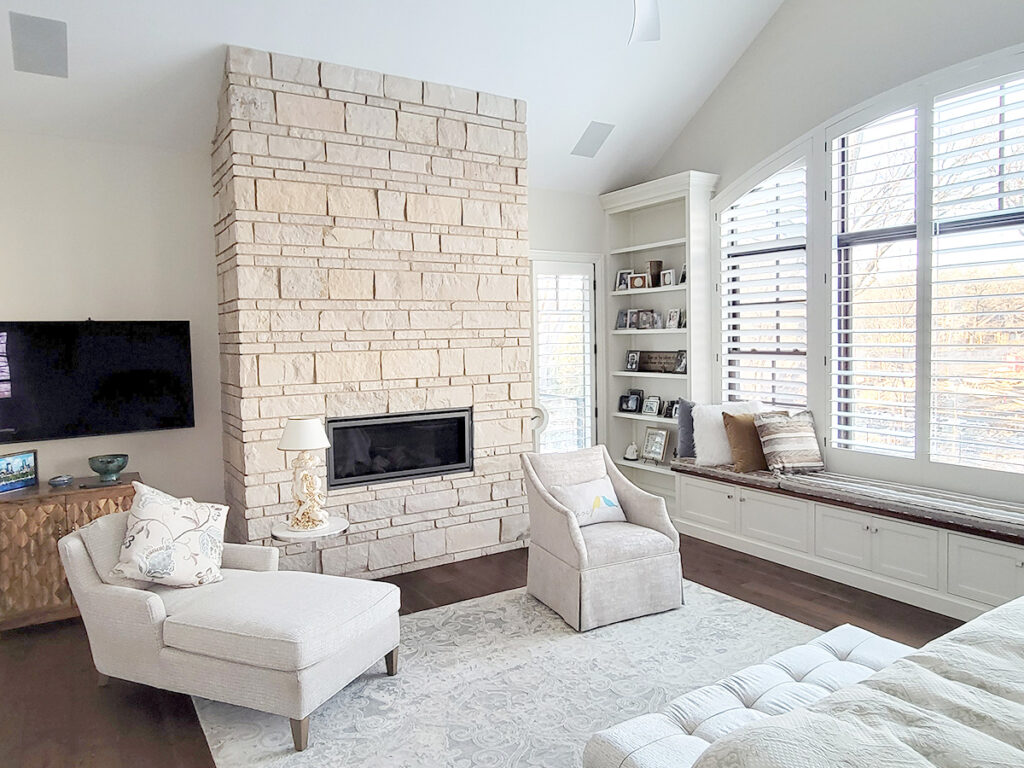
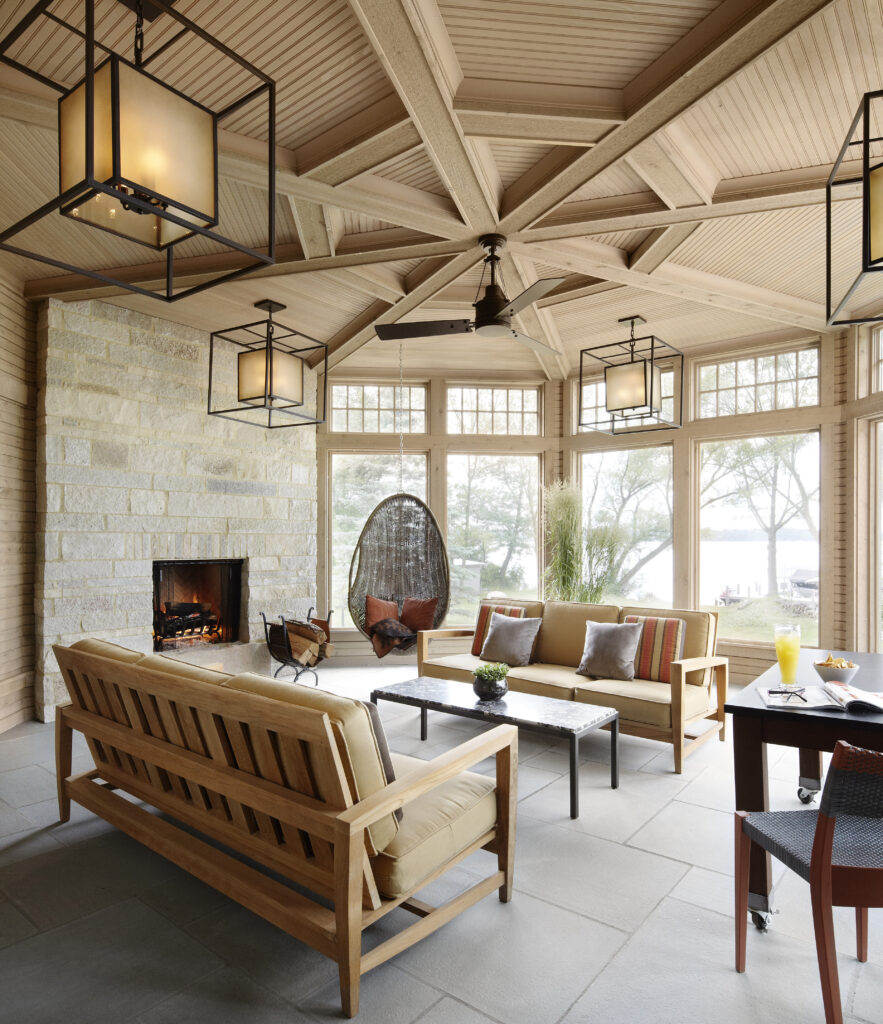
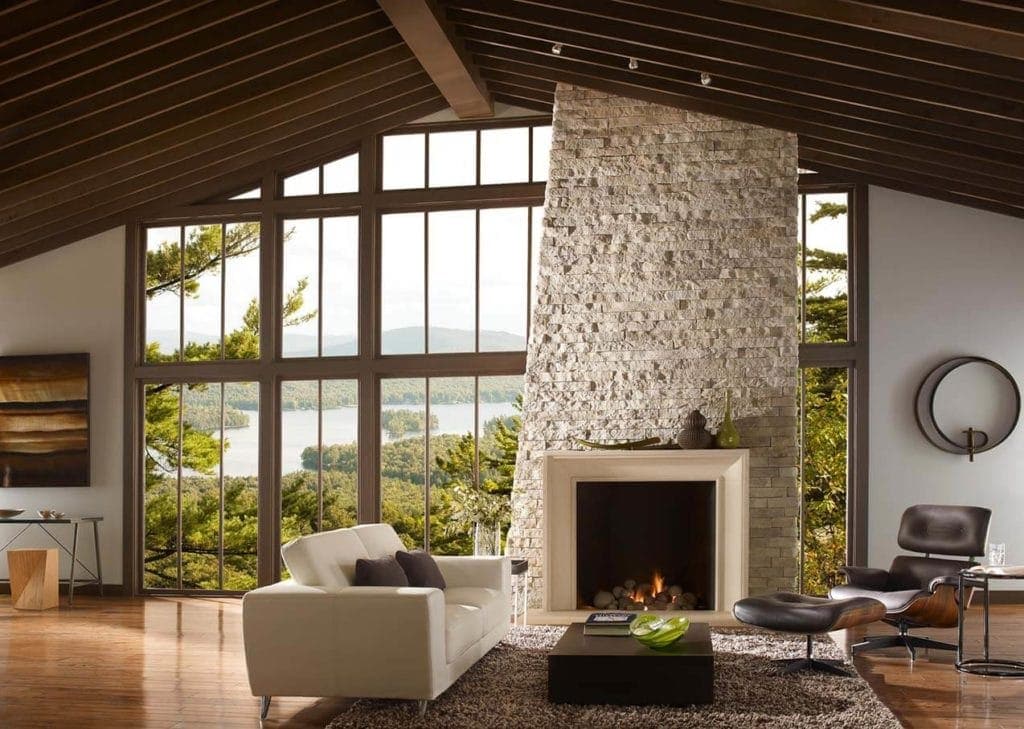
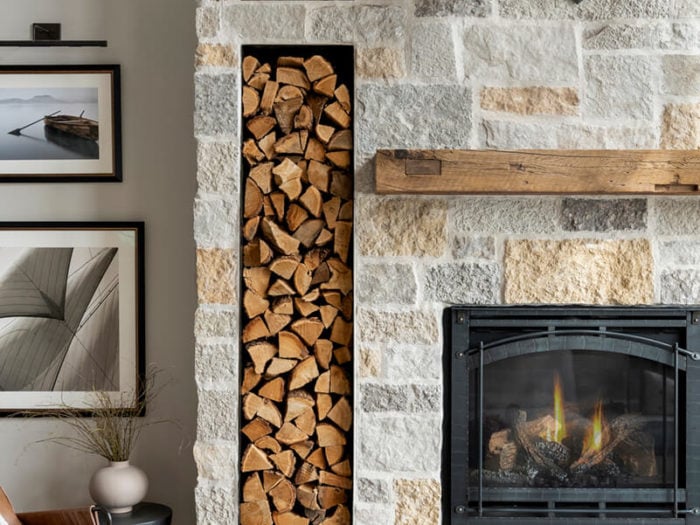
What’s the best natural stone for a fireplace surround? Limestone, granite, and quartzite are the most reliable choices. All three are dense enough to tolerate sustained heat exposure near a firebox and durable enough to hold up over decades of use.
A natural stone fireplace is often the centerpiece of a home. It grounds the room, creating a strong visual anchor that works across design styles, from traditional to modern.
For a classic look, full-height stone with varied texture is hard to beat. For something more contemporary, large-format slabs or linear stacked stone create a sleek, architectural finish.
Design tip: Extend the stone beyond the firebox. Floor-to-ceiling applications or wrapping adjacent walls create a more intentional, high-end design statement.
Frequently Asked Questions
What is the most durable natural stone for high-traffic areas? Granite and quartzite hold up best in high-traffic applications like stair treads, ranking roughly 6 to 7 on the Mohs hardness scale.
Is natural stone a good choice around a fireplace? Yes. Limestone, granite, and quartzite are all dense, heat-tolerant stones that perform well as a fireplace surround and hold up to years of use.
What natural stone works best for a low-traffic space like a wine cellar? Softer, more porous stones such as fieldstone, ledgestone, rough-cut limestone, or slate work well in low-traffic spaces like wine cellars, where character matters more than wear resistance.
How do I make natural stone stairs less slippery? Choose a leathered or brushed finish rather than a polished one. Textured finishes provide meaningfully more traction while still looking refined.
What’s the difference between a honed and split-face stone finish? Honed stone has a smooth, matte surface that creates a seamless look, good for arches and transitional spaces. Split-face stone has a rougher, more three-dimensional texture that adds shadow and contrast.
Can I see natural stone options in person before choosing? Yes. Color variation, texture, and scale are hard to judge from photos alone. Visiting a showroom lets you see full-scale applications and compare materials side by side.
Natural stone has a unique ability to bring cohesion and character to interior spaces, whether used as a subtle architectural detail or a defining focal point. From arches and stairways to wine cellars, accent walls, and fireplaces, each application is an opportunity to layer in texture, durability, and timeless appeal. By thoughtfully selecting the right stone for each space, considering scale, finish, and overall design intent, you can create interiors that feel both elevated and enduring, with materials that continue to add value over time.
While photos can inspire, natural stone is best experienced in person. Visiting a showroom like our Hedberg Home Plymouth Showroom allows homeowners and designers to see true color variation, feel textures, and explore full-scale applications, making it easier to select materials with confidence.
Ready to bring your vision to life? Connect with a Hedberg Home stone specialist to explore materials, compare options, and get guidance tailored to your space. Our team is here to help you select the right stone with confidence.
